

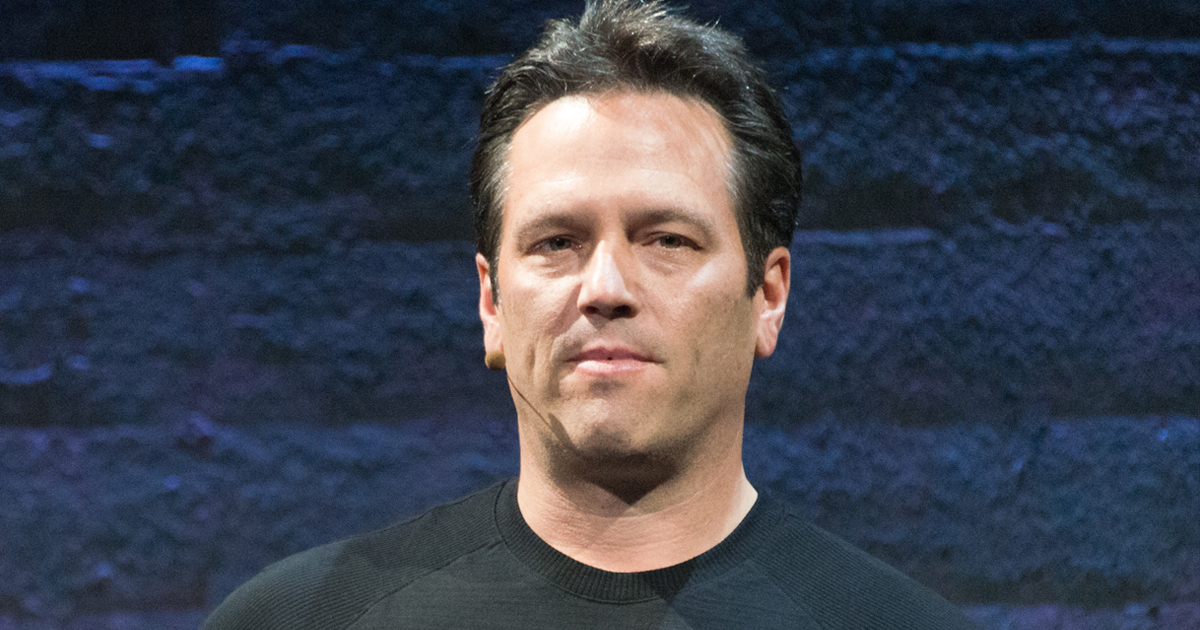
Microsoft Gaming CEO changes have triggered a major shift in the company’s gaming strategy, with a renewed focus on artificial intelligence. The leadership shakeup follows the departure of longtime Microsoft Gaming CEO Phil Spencer and Xbox President Sarah Bond, signaling a new chapter for the Xbox ecosystem.
The newly appointed Microsoft Gaming CEO, Asha Sharma, steps into the role after serving as president of Microsoft’s CoreAI product division. Her background in AI development suggests the company may accelerate efforts to integrate artificial intelligence into gaming experiences.
Microsoft Gaming CEO Signals AI Expansion
The appointment of Sharma reflects Microsoft’s broader push to embed AI across its platforms. The company has already experimented with AI-powered features, including an AI gaming companion and a controversial AI-generated level in Quake II.
In an internal memo, Sharma outlined her vision for the future of Xbox. She emphasized that monetization and AI will play a growing role in shaping how games are developed and distributed. However, she also sought to reassure developers and players.
According to Sharma, Microsoft will not pursue short-term gains by flooding its ecosystem with low-quality AI-generated content. She stressed that games remain an art form created by human developers, supported by innovative technology rather than replaced by it.
Balancing AI Innovation and Creative Integrity
The new Microsoft Gaming CEO highlighted three key commitments. First, the company aims to build great games that players genuinely love. Second, it will prioritize Xbox as a central platform within Microsoft’s broader ecosystem. Third, it will embrace AI responsibly without compromising creative standards.
Sharma’s statement comes at a time when AI-generated content is rapidly expanding across media and entertainment. Concerns about automated content overwhelming creative industries have grown in recent years. By drawing a clear line against “endless AI slop,” Microsoft appears intent on protecting both brand value and developer trust.
Industry observers view this balance as critical. While AI tools can accelerate development and enhance gameplay personalization, overreliance on automation risks diminishing originality.
Leadership Change Signals Strategic Realignment
Phil Spencer’s departure marks the end of a significant era for Xbox. Under his leadership, Microsoft expanded Game Pass and pursued high-profile acquisitions to strengthen its gaming portfolio.
The arrival of Sharma introduces a different emphasis. With experience at Instacart, Meta, and Microsoft’s CoreAI division, she brings expertise in scaling digital platforms and deploying advanced AI systems. This combination suggests Microsoft may experiment with new business models, interactive experiences, and personalized gaming services.
At the same time, Sharma’s memo underscores continuity in values. Human creativity remains central, even as AI tools become more sophisticated.
Future of AI in Xbox Ecosystem
The Microsoft Gaming CEO transition comes amid broader industry competition. Major technology firms are investing heavily in AI-driven entertainment. From generative content to adaptive gameplay systems, artificial intelligence is reshaping how players engage with digital worlds.
Microsoft’s challenge will be to integrate AI in ways that enhance rather than dilute player experience. Sharma’s public stance indicates the company intends to innovate while maintaining quality control.
As Xbox moves forward under new leadership, the focus will likely remain on combining advanced AI capabilities with human-driven storytelling and design. The success of this approach could determine how effectively Microsoft competes in an increasingly AI-powered gaming landscape.