
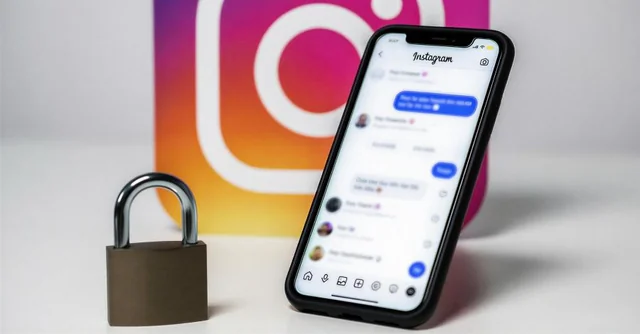
Meta is preparing to discontinue Instagram DM encryption, marking a major shift in how private conversations work on the platform. The company confirmed that the optional encrypted messaging feature will soon disappear, citing low adoption among users.
The change means that Instagram DM encryption will no longer be available after May 8, 2026. Users who relied on the feature to protect their conversations will need to download their messages before the deadline if they want to keep them.
The decision has already sparked fresh debate about privacy, security, and how social media platforms handle personal communication.
Instagram DM encryption to end in May
Meta recently updated its support pages and notified users through in-app alerts about the upcoming removal of Instagram DM encryption.
According to the notice, the company will stop supporting encrypted messaging on Instagram after May 8, 2026. Any chats using the feature will become inaccessible unless users download their messages or media beforehand.
Meta also advised users to update their Instagram apps if they encounter problems downloading encrypted conversations.
Once the deadline passes, encrypted chats will no longer function within Instagram’s messaging system.
Why Instagram DM encryption is being removed
Meta says the removal of Instagram DM encryption comes down to one simple reason: very few people used the feature.
A Meta spokesperson explained that the optional encryption mode saw minimal adoption among Instagram users. As a result, the company decided to discontinue the feature.
When Instagram DM encryption was active, messages and calls between two users remained hidden from outside access. Even Meta could not read the conversations unless one of the participants shared the content.
This security model mirrors end-to-end encryption systems used in private messaging apps.
However, because the feature required both users to enable it, most Instagram conversations never used encrypted messaging.
Privacy debates surrounding Instagram DM encryption
The decision to remove Instagram DM encryption arrives amid ongoing debates over privacy and online safety.
Technology companies including Meta have faced criticism for sharing user communication data with outside entities, including law enforcement agencies. At the same time, some governments and advocacy groups argue that end-to-end encryption can allow criminal activity to go undetected.
Critics claim encrypted messaging could help predators communicate with minors without oversight. Because of these concerns, some social platforms have chosen not to implement the feature at all.
TikTok, for example, does not offer end-to-end encryption for direct messages. The company previously stated that maintaining access to chat data helps its safety teams and law enforcement protect users.
Where users can still find encrypted messaging
Although Instagram encryption is disappearing, Meta still supports encrypted messaging on other platforms.
WhatsApp, another Meta-owned service, continues to use end-to-end encryption as a default security feature. Messenger also offers encrypted chat options.
However, even those services have faced scrutiny in recent years. Some critics argue that encryption systems can still be vulnerable or subject to legal challenges.
For users who prioritize privacy, the removal of Instagram DM encryption may push them toward messaging apps designed specifically for secure communication.
What Instagram users should do now
Anyone who used Instagram encryption should review their chats before the May 2026 deadline.
Meta advises affected users to download any messages, photos, or videos they want to keep. After the feature disappears, those encrypted conversations may no longer be accessible.
Users should also update their Instagram app to the latest version to ensure they can retrieve their data.
The change highlights a growing tension in the tech industry: balancing user privacy with safety concerns and platform usability.
While Instagram continues to evolve, the end of Instagram DM encryption marks a clear shift in how private communication works on one of the world’s most popular social networks.