
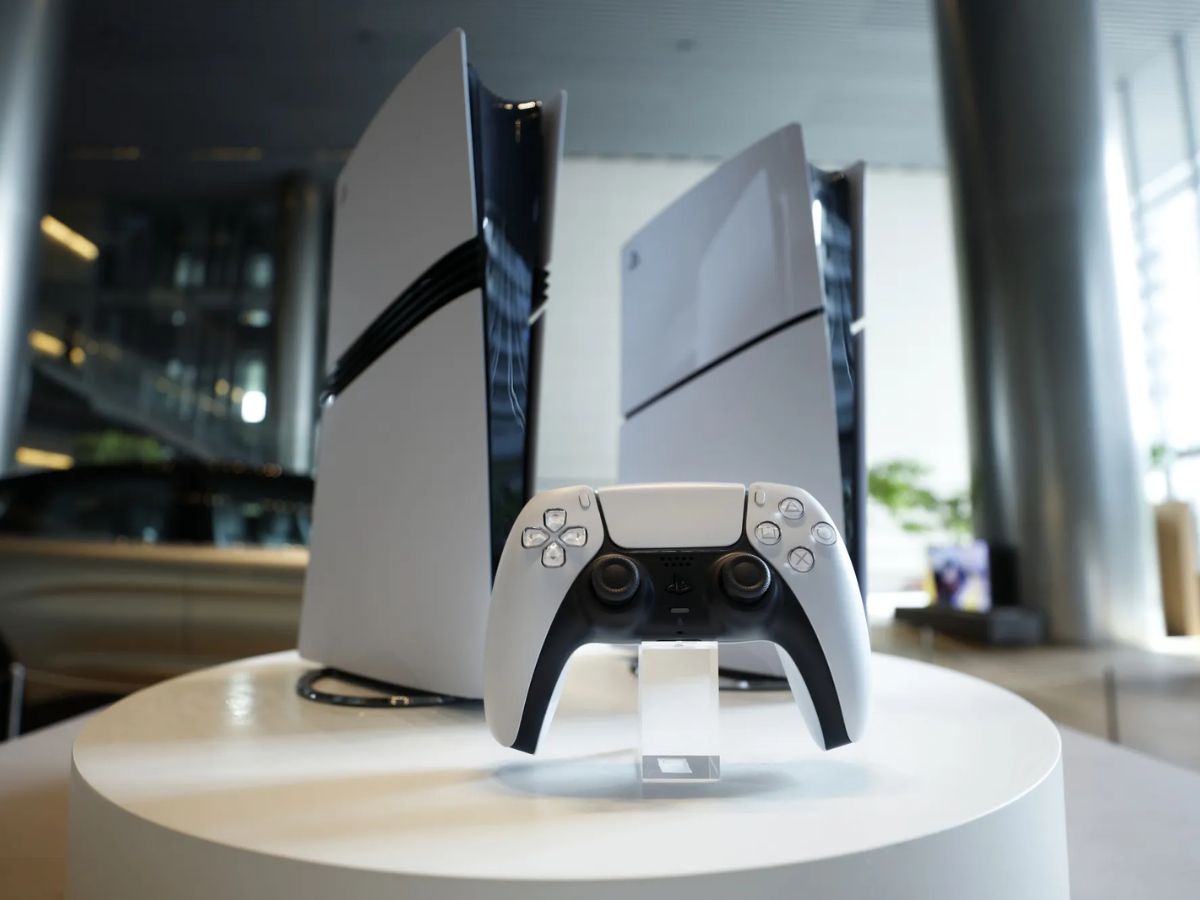
The PS5 price hike is back in the spotlight as Sony moves to increase the cost of its popular gaming console once again. For many gamers, this means paying significantly more for a system that has already been on the market for several years.
Sony confirmed that the latest PS5 price hike will affect multiple markets, including the United States. The increase is notable because it comes less than a year after the last adjustment, raising concerns among players and industry watchers alike.
Why the PS5 price hike is happening
The PS5 price hike is largely tied to rising production costs. Reports indicate that the price of memory chips, a key component in gaming consoles, has gone up. As a result, Sony appears to be passing some of these costs on to consumers.
This is not the first time the company has made such a move. Over the past year, global economic pressures have pushed many tech companies to rethink pricing strategies. Sony’s decision reflects a broader trend in the gaming industry.
New PS5 pricing details after the price hike
With the PS5 price hike taking effect on April 2, U.S. buyers will see a significant jump in cost. The standard PlayStation 5 will now retail at $649.99, up from $549.99.
Other products in the PlayStation lineup are also affected. Prices for the Digital Edition, PS5 Pro, and the PlayStation Portal remote player are all increasing as well. This means gamers across different budgets will feel the impact.
How the PS5 price hike compares to last year
This latest PS5 price hike follows a previous increase in August, when Sony raised the console price by $50. That means the total increase in less than a year is quite substantial.
Sony is not alone in this approach. Microsoft, the company behind Xbox, also raised console prices recently. This suggests that rising costs are affecting the entire gaming industry, not just one brand.
What the PS5 price hike means for sales
The timing of the price hike is interesting, especially as sales have already started to slow. Reports show that PlayStation 5 sales dropped by about 16% during the holiday quarter compared to the previous year.
After six years on the market, demand is naturally beginning to stabilize. However, higher prices could make it even harder for Sony to maintain strong sales momentum.
For some gamers, the new price may delay their decision to buy. Others may start looking at alternative consoles or wait for discounts.
What gamers should expect next
The price hike highlights how changing economic conditions are shaping the gaming market. As production costs rise, companies are adjusting prices to protect margins.
Going forward, gamers may see fewer discounts and more cautious pricing strategies across the industry. At the same time, competition between brands like PlayStation and Xbox will continue to influence how prices evolve.
The price hike marks another shift in the gaming industry, where rising costs are now directly affecting consumers. While Sony’s decision reflects broader economic pressures, it also raises questions about affordability for gamers.
As prices climb, buyers will need to weigh their options carefully. Whether this affects long-term demand remains to be seen, but one thing is clear – gaming is becoming more expensive.